What the report says
Walking the halls of Gamescom, the biggest, most elaborate booths you'll see will generally have an equally big, familiar name attached. Here's Capcom, Xbox, Sega, EA, Ubisoft, and so on. But at this year's event, a significant chunk of Halls 6 and 7 will be taken up by a name you probably won't be so familiar with: 4Divinity."It's enormous by any standard," says Philip Doust, director of 4Divinity's UK entity, of the publisher's Gamescom presence. 4Divinity is bringing six titles to the behind-closed-doors B2B area, five of them to the associated trailer showcases, and four to the B2C showfloor on two separate stands, the biggest of which spans 800 square metres.
The publisher is going all out, not only in footprint, but also in spectacle. "We're using one of the best booth builders in Gamescom," Doust says. "There's been no expense spared on that front."The area for '80s pop-culture RPG Showa American Story, for example, features a rebuilt version of the Hollywood Hills – which have been rebranded the Neo Yokohama Hills in the game's alternative timeline, where the United States is ruled by Japan. "We have a Golden Gate Bridge that stands seven metres high, with the Japanese lanterns on it," Doust adds. "We have a diner we've recreated that you walk into to play the game.
It's all very experiential."So, when Doust says no expense spared…"I can't talk [exact] figures, that would be crass," he replies, "but it's millions of dollars of investment. Just from that footprint we have, it should be clear we're investing to that kind of level. I think it's reflective of how seriously we're taking the western market. Which not every Chinese company necessarily does, or knows how to."Disc jockeysThat's a hint to why you might not have heard of a company that can afford to spend this much on its Gamescom presence. 4Divinity is just one of several gaming companies under the umbrella of Singapore-based group GCL Global Holdings (there's also an imitation-diamond jewellery maker in the mix).

Key details
GCL "was primarily built on a physical distribution business, through a company called Epicsoft, that has been going for nearly 20 years now," Doust explains. Obviously, that's a tricky business right now, given Sony's recent announcements."It's still a significant part of our business as a group, and we'll continue to do it as long as Sony allows, as long as there are discs to produce," Doust says. "But we recognise that it's a declining business, and if that's where the mainstay of the business was, clearly we needed something that was more on the digital side."Hence 4Divinity, which was originally launched in 2022 as a co-publisher for western companies wanting to bring their games to Southeast Asia.
"Finding a [western] game that excels in Asia – China specifically – is very tough," Doust says. "We pulled it off with Atomic Heart – China was a huge market for Atomic Heart – and then we replicated that with Stalker 2. But we recognised that these games were kind of outliers.""We're now up to eight games in the portfolio, all coming out within the next two years"In other words, neither business was likely to bring the kind of growth required by GCL, as a Nasdaq-listed company. "From a growth perspective, it really had to be global publishing at that point," Doust says.
And so 4Divinity began signing Chinese-made games to publish around the world. It was a process that began before Doust joined the company in late 2024 – "they'd already signed two or three games; a couple of smaller indies, but also Showa American Story, which is a big play for us" – but things have only scaled up from there. "We're now up to eight games in the portfolio, all coming out within the next two years," Doust says. "So it's been a huge growth period."This initial line-up has a few strands of connective tissue: "All our games are predominantly single player.
More from the announcement
They're 15–20 hour experiences. They're mid-tier priced."This wasn't necessarily the plan in advance, he says, but it's formed into a solid strategy: to target the oft-discussed squeezed middle of games (a strategy that's also being pursued by US firm ProbablyMonsters)."This, for me, is exactly the crux of what people want from games right now," Doust says. "They don't have 200 hours to put into a live service. The $80 game, that's probably reserved for one or two [titles]. But I think people are willing to invest $40–50 into a single-player experience."Even if most businesses aren't.
Doust understands why: "These are games that cost between $5 million and $20 million to make, roughly.
 RPCS3 Emulator Now Lets You Play PS3 Games Directly From the Disc
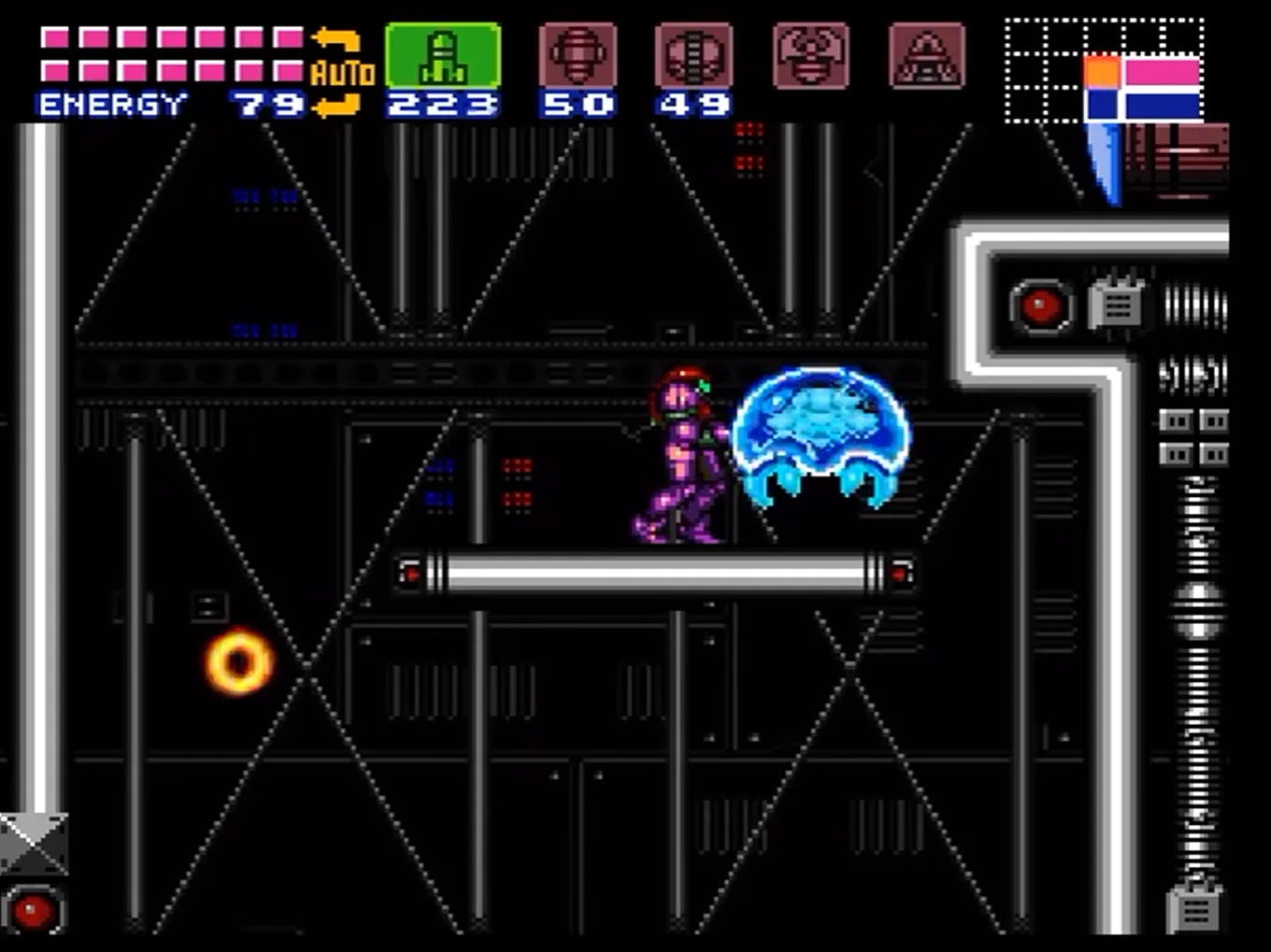 15 SNES Games That Still Hold Up Today
 XBOX’s annual revenue has declined, but Satya Nadella remains optimistic
 Nintendo Switch 2 launches on June 5, 2025